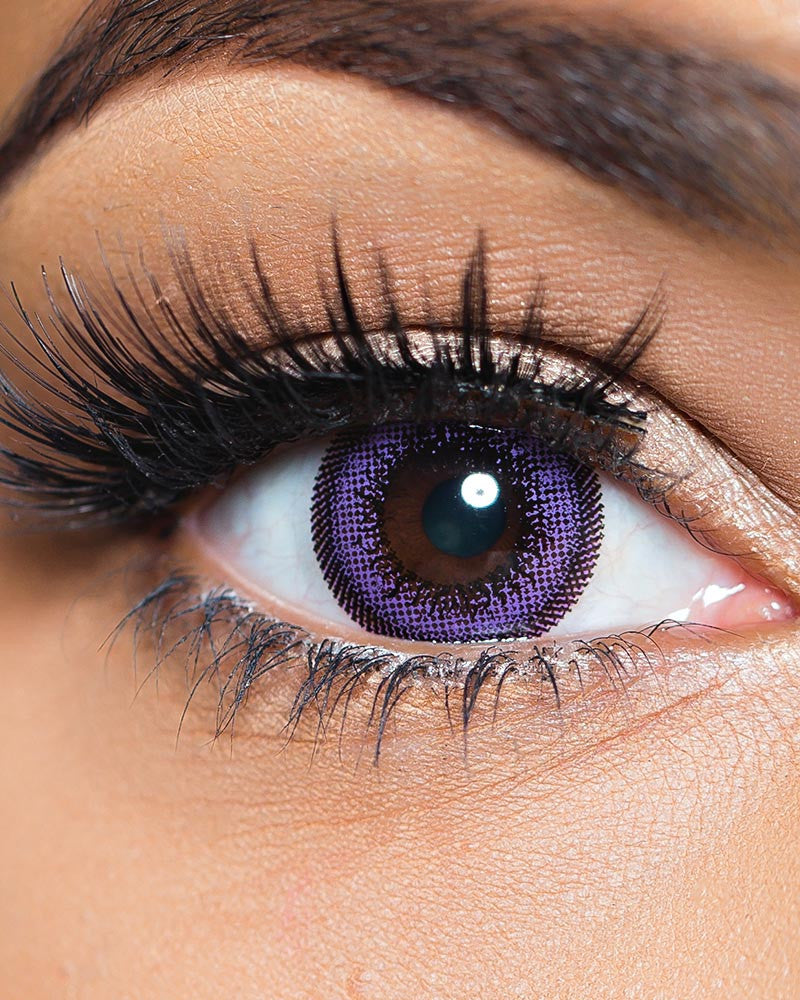
Violet - Purple Colored Contact Lenses
Sort by:
Sale
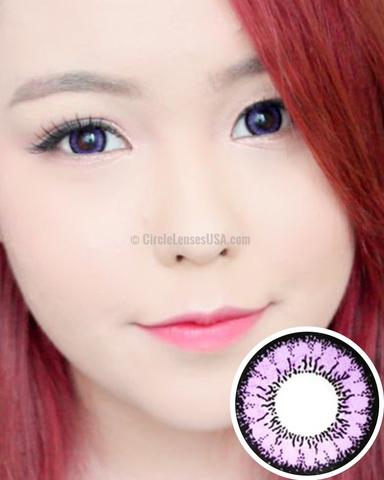
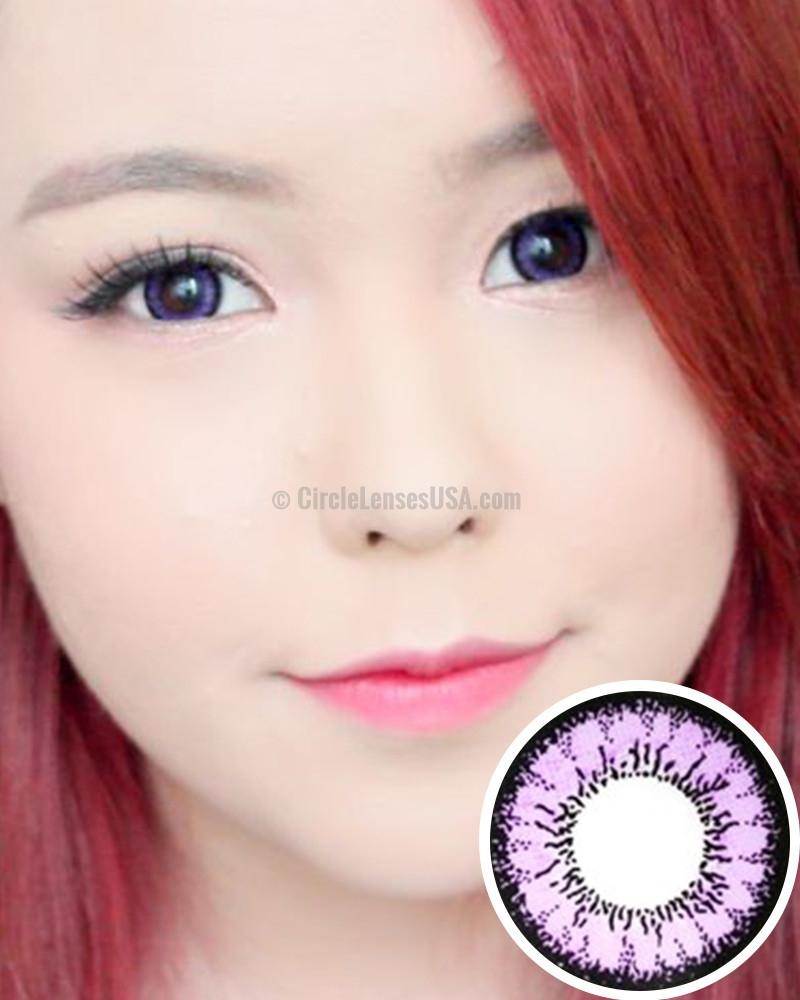
Geo Angel Purple 2 Tone Circle Lens CM831
$19.95
| Brand: | GEO |
| Manufacture: | GEO Medical Inc. |
| Origin: | South Korea |
| Model: | CM-831 |
| Diameter: | 14.2 mm |
| Base Curve: | 8.6 mm |
| Water Content: | 40% |
| Life Span: | 1 Year |
| Packaging | A Pair (2) of Circle Lenses |
Sale
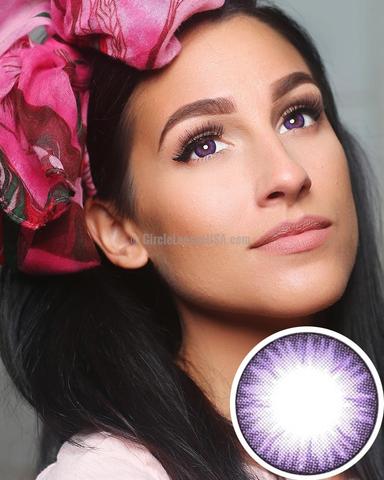
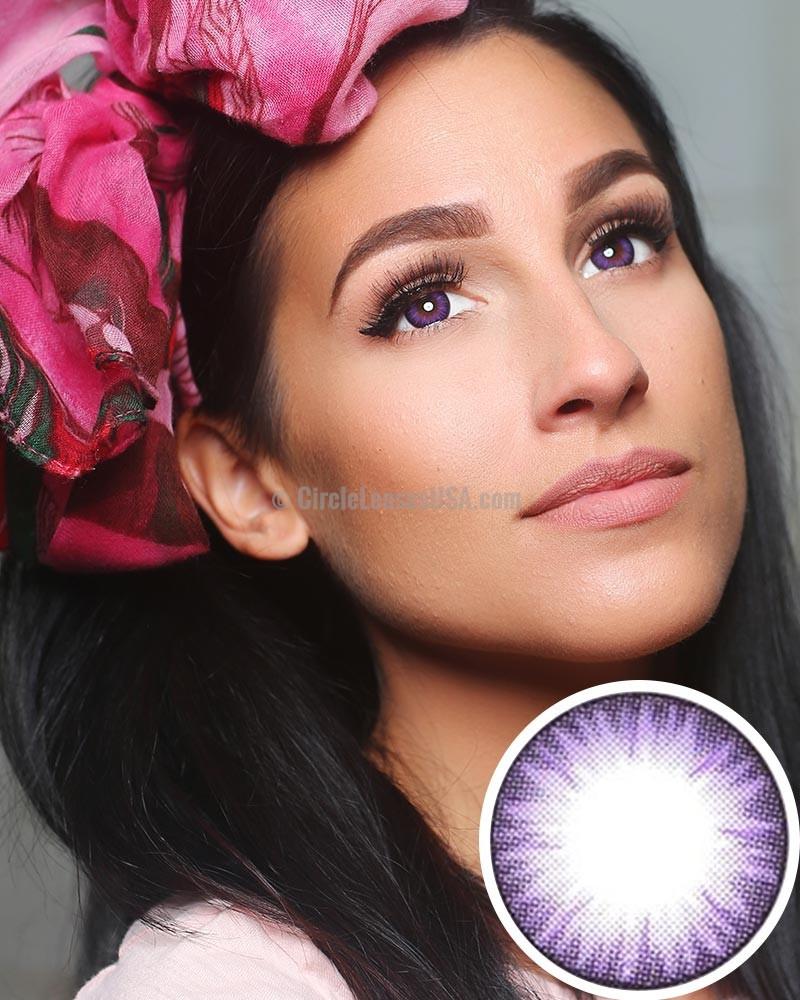
GEO Bella Special Purple 2 Tone Circle Lens BS201
$19.95
| Brand: | GEO |
| Manufacture: | GEO Medical Inc. |
| Origin: | South Korea |
| Model: | BS-201 |
| Diameter: | 14.2 mm |
| Base Curve: | 8.6 mm |
| Water Content: | 40% |
| Life Span: | 1 Year |
| Packaging | A Pair (2) of Circle Lenses |
Sale
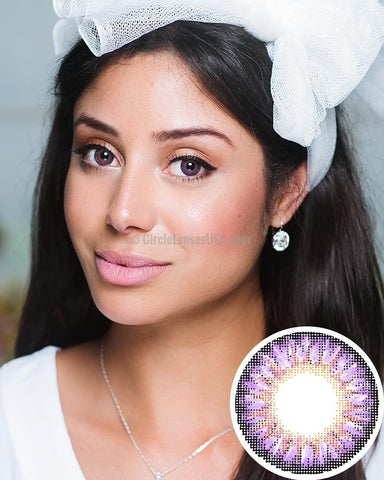
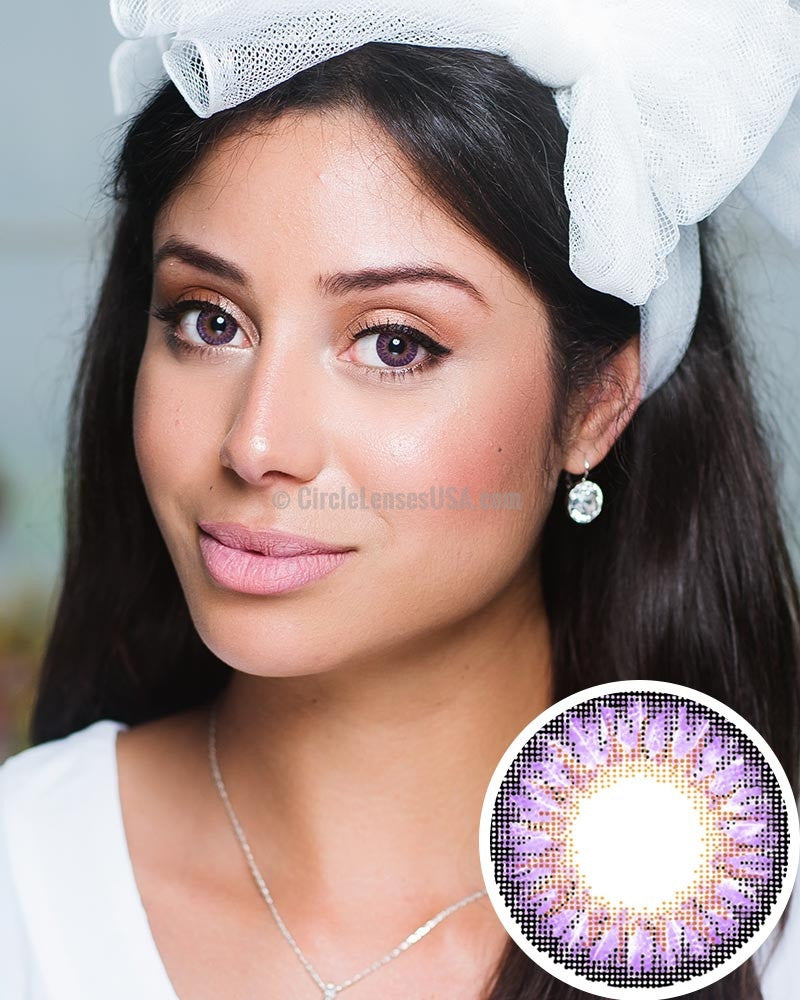
Geo Berry Holic Violet Circle Lens CM951
$19.95
| Brand: | GEO |
| Manufacture: | GEO Medical Inc. |
| Origin: | South Korea |
| Model: | CM-951 |
| Diameter: | 14.2 mm |
| Base Curve: | 8.6 mm |
| Water Content: | 38% |
| Life Span: | 1 Year |
| Packaging | A Pair (2) of Circle Lenses |
Sale
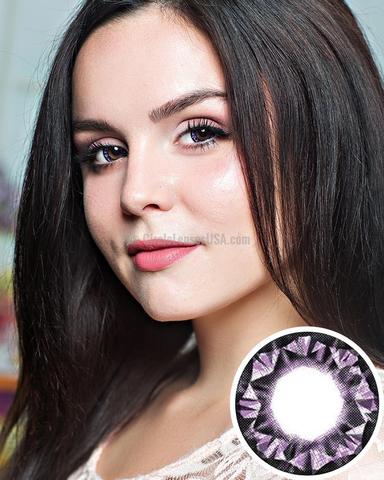
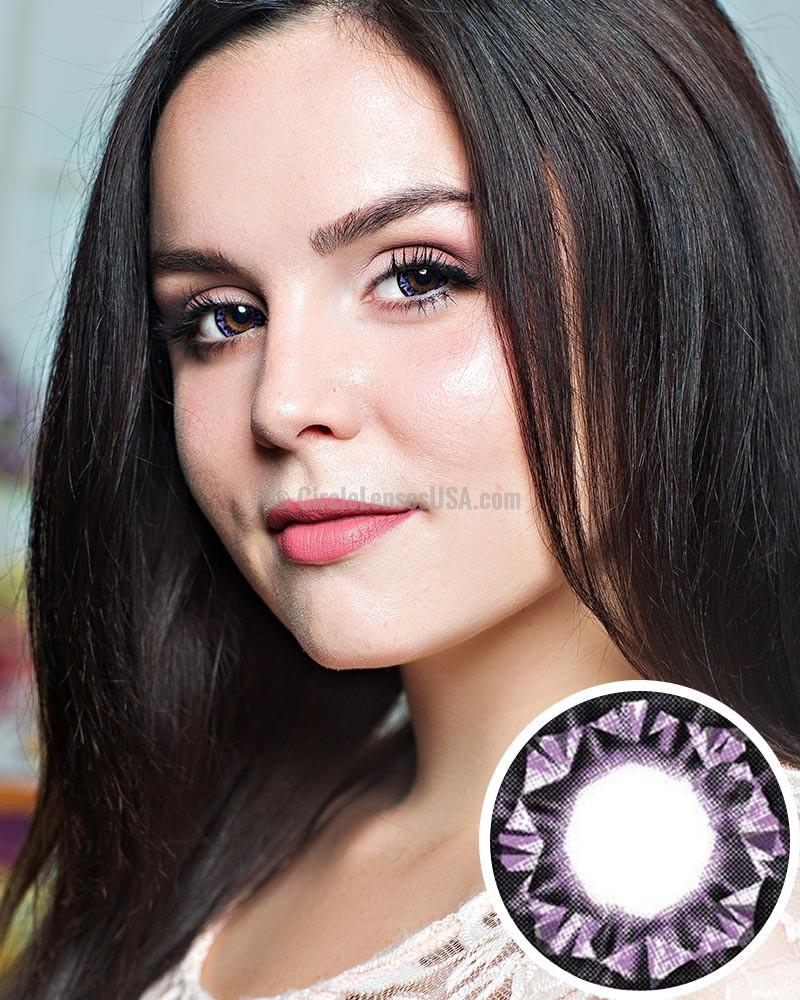
Geo Diamond Purple 2 Tone Circle Lens WTB31
$19.95
| Brand: | GEO |
| Manufacture: | GEO Medical Inc. |
| Origin: | South Korea |
| Model: | WT-B31 |
| Diameter: | 15.0 mm |
| Base Curve: | 8.7 mm |
| Water Content: | 40% |
| Life Span: | 1 Year |
| Packaging | A Pair (2) of Circle Lenses |
Sale
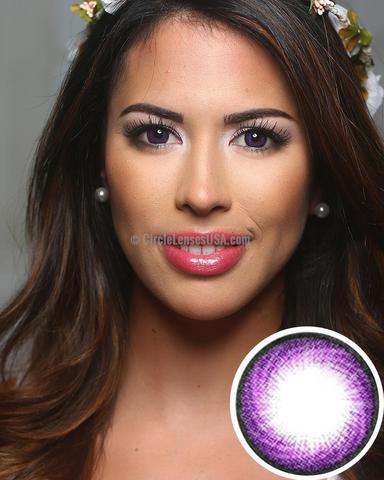
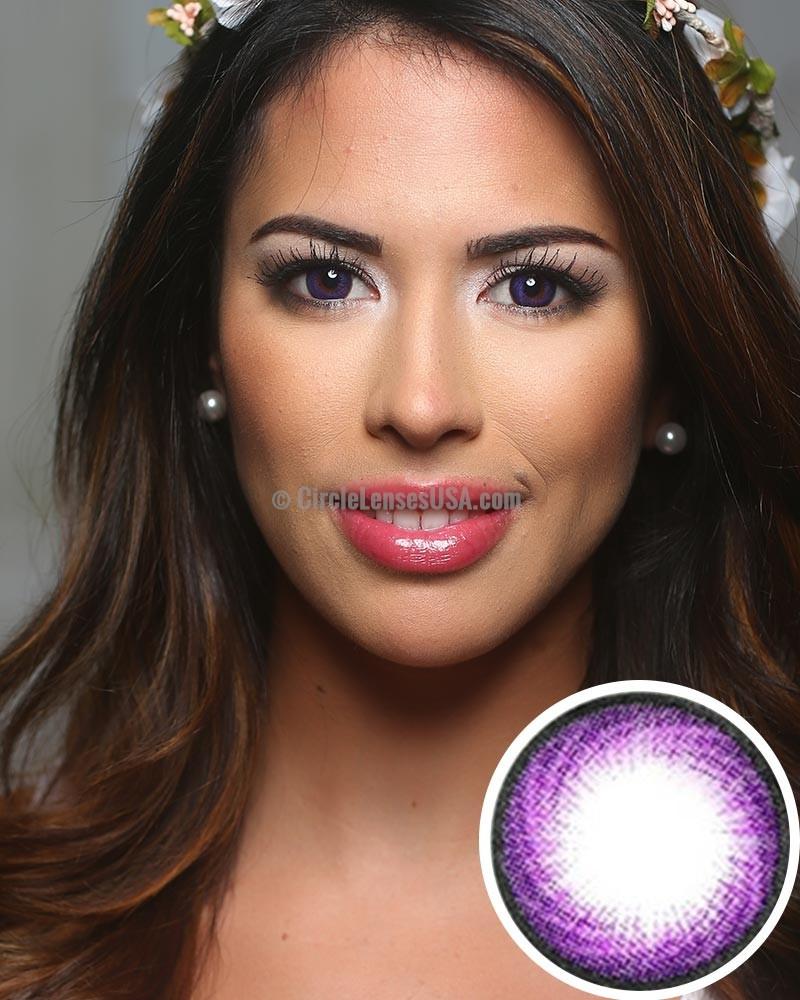
Geo Hurricane Violet Circle Lens HC101
$19.95
| Brand: | GEO |
| Manufacture: | GEO Medical Inc. |
| Origin: | South Korea |
| Model: | HC-101 |
| Diameter: | 14.2 mm |
| Base Curve: | 8.6 mm |
| Water Content: | 38% |
| Life Span: | 1 Year |
| Packaging | A Pair (2) of Circle Lenses |
Sale


Geo Nudy Violet Circle Lens CH621
$19.95
| Brand: | GEO |
| Manufacture: | GEO Medical Inc. |
| Origin: | South Korea |
| Model: | CH-621 |
| Diameter: | 14.2 mm |
| Base Curve: | 8.6 mm |
| Water Content: | 38% |
| Life Span: | 1 Year |
| Packaging | A Pair (2) of Circle Lenses |
Sale
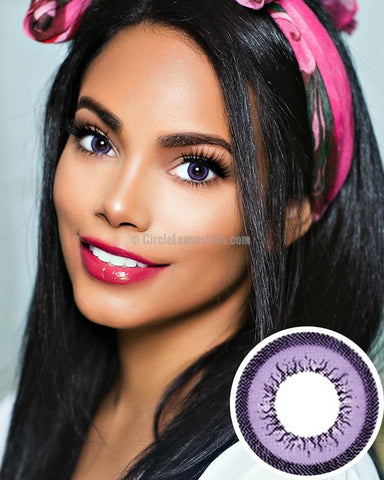
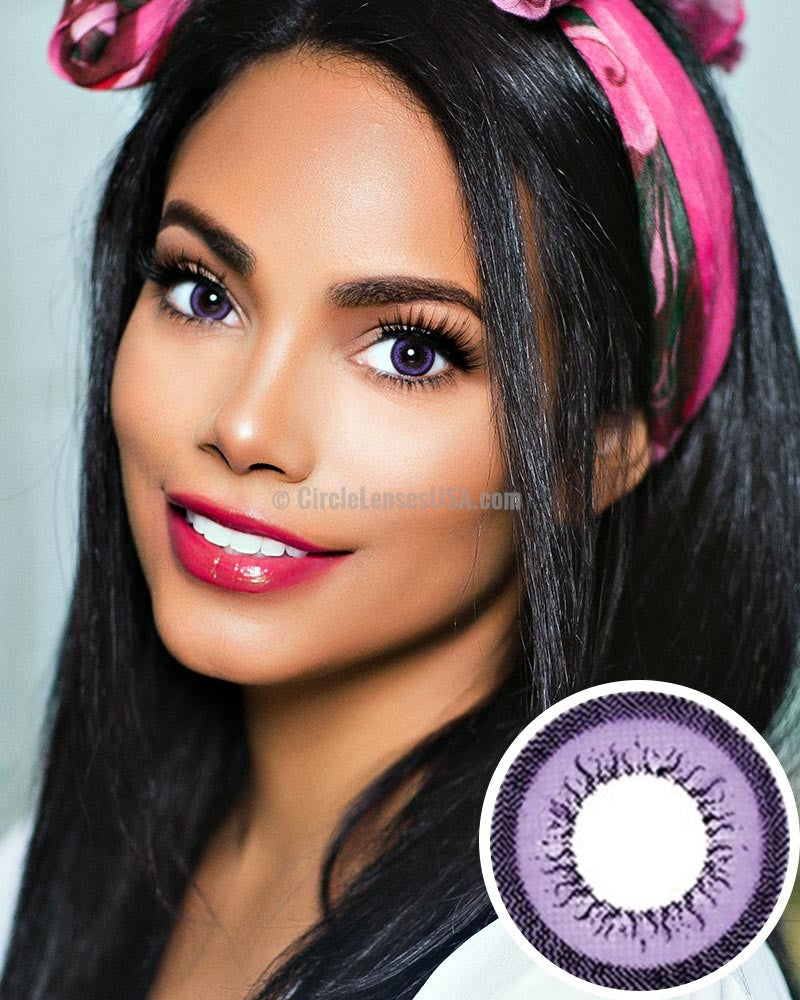
Geo Olive Violet Circle Lens OL101
$19.95
| Brand: | GEO |
| Manufacture: | GEO Medical Inc. |
| Origin: | South Korea |
| Model: | OL-101 |
| Diameter: | 14.2 mm |
| Base Curve: | 8.6 mm |
| Water Content: | 40% |
| Life Span: | 1 Year |
| Packaging | A Pair (2) of Circle Lenses |
Sale
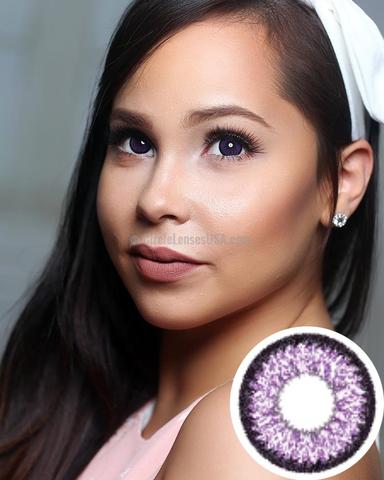
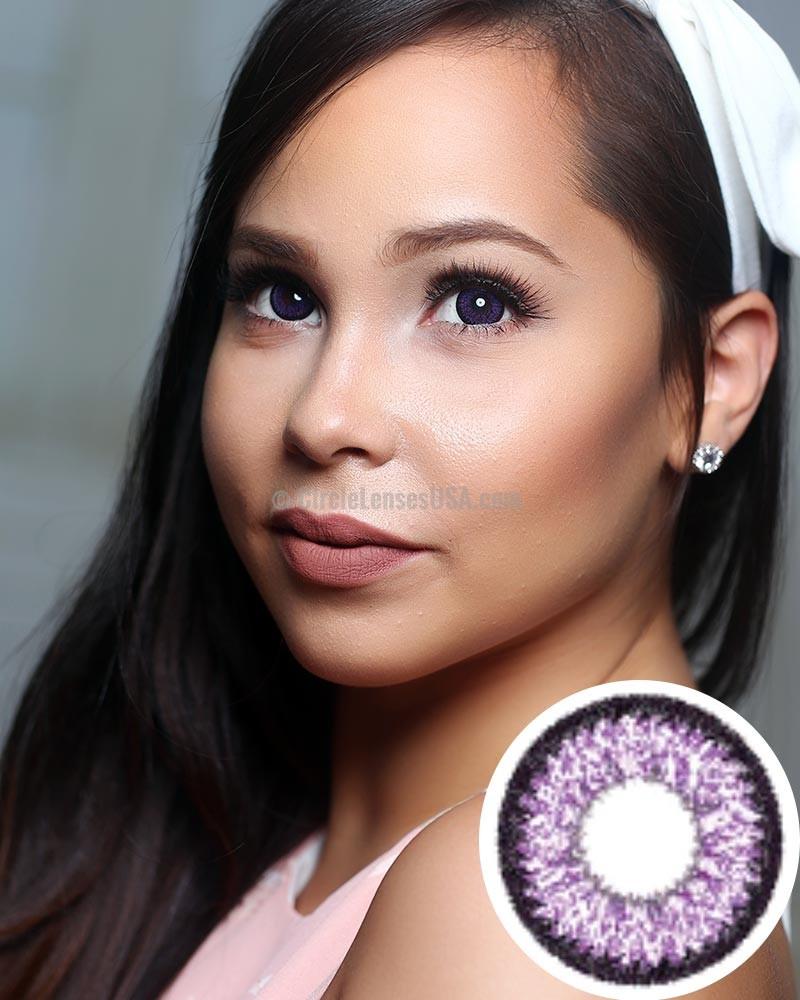
GEO Supper Size Nudy Violet Circle Lens XCH621
$19.95
| Brand: | GEO |
| Manufacture: | GEO Medical Inc. |
| Origin: | South Korea |
| Model: | XCH-621 |
| Diameter: | 14.5 mm |
| Base Curve: | 8.7 mm |
| Water Content: | 40% |
| Life Span: | 1 Year |
| Packaging | A Pair (2) of Circle Lenses |
Sale

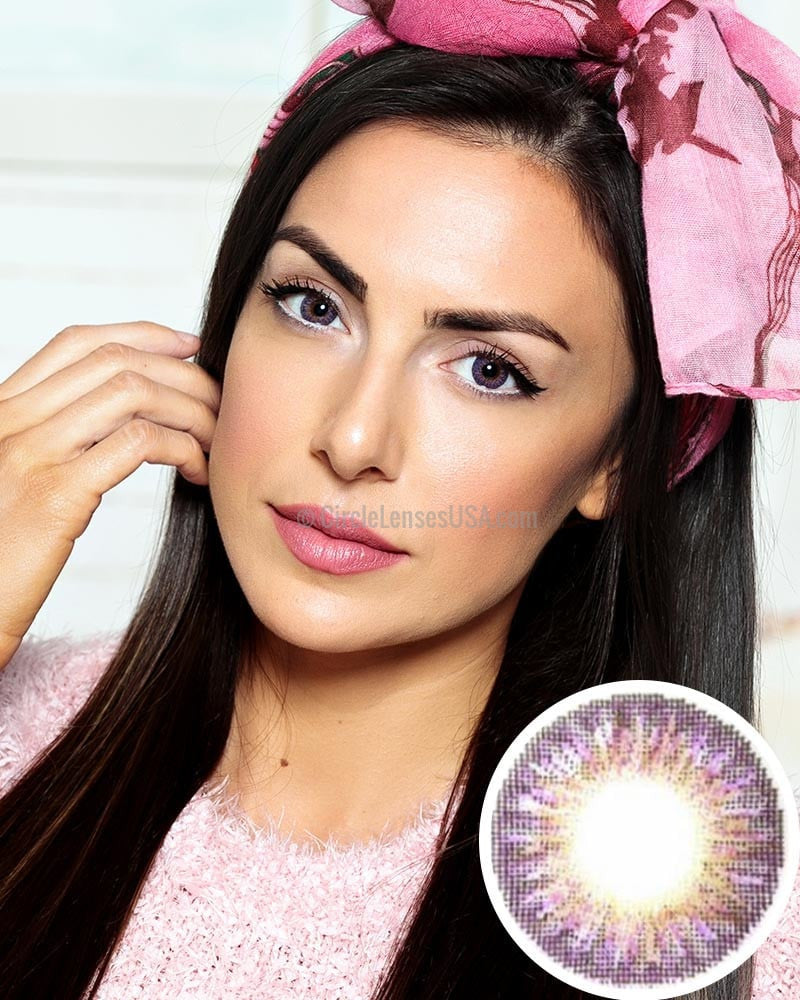
Geo Tri Color Purple Circle Lens CM905
$19.95
| Brand: | GEO |
| Manufacture: | GEO Medical Inc. |
| Origin: | South Korea |
| Model: | CM-905 |
| Diameter: | 14.2 mm |
| Base Curve: | 8.6 mm |
| Water Content: | 40% |
| Life Span: | 1 Year |
| Packaging | A Pair (2) of Circle Lenses |
Sale


Geo Xtra Sakura Violet 2 Tone Purple Lens WIA21
$19.95
| Brand: | GEO |
| Manufacture: | GEO Medical Inc. |
| Origin: | South Korea |
| Model: | WI-A21 |
| Diameter: | 15.0 mm |
| Base Curve: | 8.7 mm |
| Water Content: | 40% |
| Life Span: | 1 Year |
| Packaging | A Pair (2) of Circle Lenses |
Sale
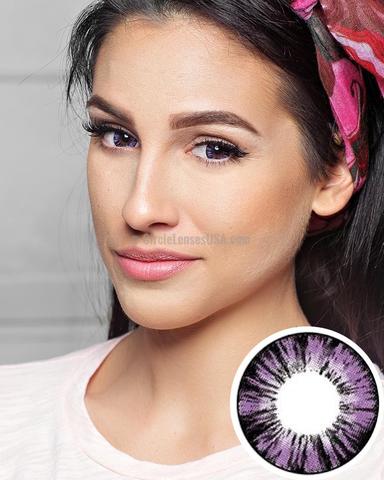
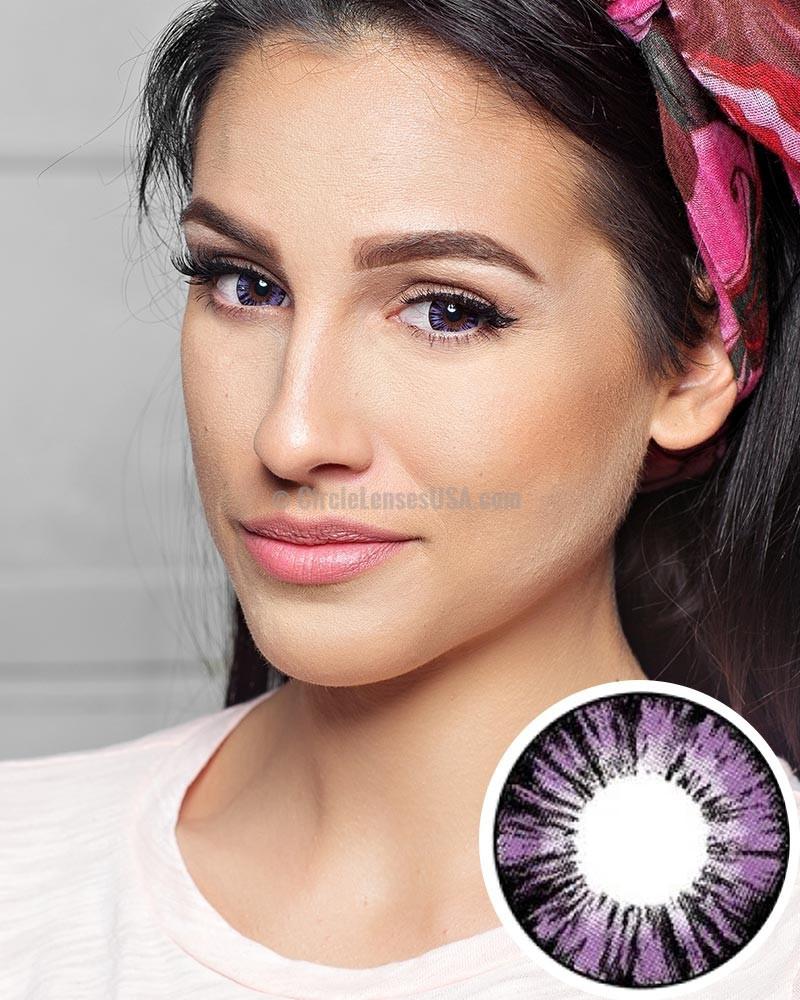
Geo Xtra Violet 2 Tone Purple Lens WTB61
$19.95
| Brand: | GEO |
| Manufacture: | GEO Medical Inc. |
| Origin: | South Korea |
| Model: | WT-B61 |
| Diameter: | 15.0 mm |
| Base Curve: | 8.7 mm |
| Water Content: | 40% |
| Life Span: | 1 Year |
| Packaging | A Pair (2) of Circle Lenses |
Sale


Geo Xtra Violet 3 Tone Purple Lens WTB71
$19.95
| Brand: | GEO |
| Manufacture: | GEO Medical Inc. |
| Origin: | South Korea |
| Model: | WT-B71 |
| Diameter: | 15.0 mm |
| Base Curve: | 8.7 mm |
| Water Content: | 40% |
| Life Span: | 1 Year |
| Packaging | A Pair (2) of Circle Lenses |


